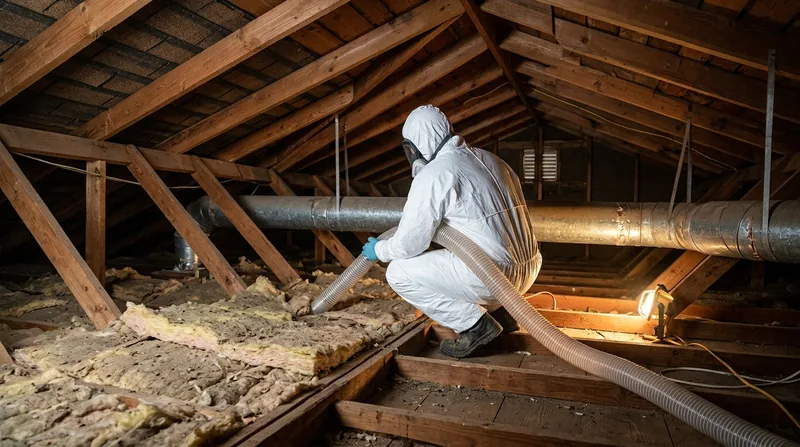




Lubbock's brick ranches and older frame homes built through the 1950s and 1970s often carry attic insulation that has settled thin after decades of dust storms and thermal cycling. When fiberglass batts compress, blown-in material clumps, or old foam deteriorates, insulation removal in Lubbock becomes the necessary first step before installing fresh, high-performance foam or fiberglass. The South Plains heat and wind-driven dust that define this climate make air sealing and thermal control critical; degraded insulation leaves ductwork exposed to attic temperatures that spike above 100 degrees each summer, driving cooling costs higher month after month. We remove the old material safely, dispose of it responsibly, and prep your attic or wall cavity for the next generation of insulation. Our work is guided by local building codes and the specifics of your home, and we handle the removal process with the care it demands.
Why Insulation Removal Matters in Lubbock's Aging Housing Stock
Lubbock's residential foundation rests on decades of steady growth, and much of that stock is now 50 to 70 years old. Original attic insulation in these brick ranches has settled, shifted, and compacted under the weight of dust and time. Blown-in fiberglass clumps and loses contact with the attic floor, while older batts develop gaps and sag away from the rim joists. Foam installed 20 or 30 years ago may have off-gassed, shrunk, or absorbed moisture from seasonal humidity swings. When insulation fails, heat gain in summer and heat loss in winter accelerate, ductwork loses efficiency, and your HVAC system runs longer to reach the same comfort level.
- Settled fiberglass no longer fills the cavity and allows warm attic air to bypass the insulation layer entirely.
- Deteriorated foam loses its R-value and may emit odors or off-gas compounds that linger in the home.
- Compacted blown-in material creates air pockets and thermal bridges that bleed energy through the attic floor.
- Old insulation often harbors dust, debris, and settled contaminants that reduce air quality when disturbed.
- Removal clears the path for a fresh installation with proper thickness, density, and sealing that matches current code.
Removing degraded insulation is not optional when you plan to upgrade your attic or wall cavity; it is the foundation of any retrofit that will perform as designed.
Local reality: Lubbock's brick ranches built in the 1960s and 1970s often contain fiberglass batts that have settled to half their original thickness. A home in central Lubbock or near Texas Tech may need 8 to 12 inches of material removed before new foam can be applied to attic joists or roof decks. The dry climate means moisture is rarely the enemy; heat gain and dust infiltration drive the removal decision.
For more context on what comes after removal, see our attic spray foam insulation service to understand how fresh foam rebuilds thermal control in Lubbock homes.
How We Remove Old Insulation in Lubbock Attics and Walls
Insulation removal is a process, not a single action. We begin with an on-site inspection to identify what is present, its condition, and the safest removal method. We assess access routes, attic ventilation, and any hazards such as asbestos-containing vermiculite (which we do not disturb and flag for professional testing if present). Once we understand the scope, we use commercial-grade vacuum systems and containment to remove material without spreading dust and debris into living spaces. The attic floor is cleared, swept, and prepped for the new installation. Throughout the process, we follow local building codes and ensure proper disposal of all removed material.
- We inspect the attic or wall cavity to identify insulation type, condition, and any contamination before removal begins.
- We set up containment barriers and use commercial vacuum systems to capture dust and prevent it from entering the home.
- We remove all old insulation material down to the attic floor or wall cavity, working section by section for complete coverage.
- We dispose of removed material responsibly in accordance with local waste and recycling guidelines.
- We inspect and clean the substrate, seal air leaks in the top plate and rim joists, and prepare the cavity for new insulation.
- We provide a written summary of what was removed, the condition found, and the next steps for your new installation.
A well-executed removal sets the stage for an installation that will perform for decades, and we treat it with the same precision as the foam or fiberglass that follows.
Lubbock example: A home in Wolfforth with a vented attic containing 30-year-old fiberglass batts and blown-in cellulose needed complete removal before a sealed attic retrofit. We removed approximately 12 tons of compacted material, sealed the top plate and rim joists where air was leaking, and prepped the deck for closed cell foam installation. The process took two days and left the attic clean and ready for the next phase.
Learn more about the closed cell spray foam insulation that often follows removal in sealed attic applications.
Insulation Removal Methods and Approaches
| Approach | Description | Best For |
|---|---|---|
| Vacuum extraction with containment | Commercial-grade vacuum system pulls material into sealed containment bags; dust is captured at the source and does not enter the home. | Fiberglass batts and blown-in cellulose or fiberglass; standard attic removal in occupied homes. |
| Manual removal with staging | Crew removes batts or sections by hand into sealed bags; slower but precise, with complete visibility of the substrate and any hazards. | Attics with limited access, mixed materials, or where vermiculite or other flagged materials require careful handling. |
| Foam deconstruction and removal | Old spray foam is cut into sections, removed, and disposed of; substrate is cleaned and inspected for delamination or adhesion issues before new foam is applied. | Attics with failed or deteriorated spray foam; sealed attic conversions or upgrades to thicker foam. |
| Selective removal and top-up | Only degraded sections are removed; sound insulation remains in place. New material is added to bring the total R-value to code. | Homes where insulation has settled in one area but remains intact elsewhere; cost-effective upgrade without full removal. |
The right approach depends on your attic condition, the type of insulation present, and your goals for the next phase. We assess all of these factors during the free estimate and recommend the method that balances cost, safety, and performance.
Insulation Removal Cost in Lubbock: What to Expect
Insulation removal in Lubbock starts at around $950 for a typical 1,200 to 1,500 square foot attic with settled fiberglass or blown-in material. The actual cost depends on several factors: the total square footage of the attic, the type and density of material present, how compacted or settled the material has become, and the accessibility of the space. Homes with low attic access, cramped rafter bays, or complex roof lines may require more labor and planning. Removal of failed foam or mixed materials (batts plus blown-in plus old foam) takes longer than a single material type. The best way to know what your removal will cost is to get a free written estimate that includes the square footage, material type, and any hazards identified during the inspection.
We recommend getting 2 to 3 estimates from contractors in the Lubbock area so you can compare scope, method, and price. A low estimate with no detail about what is included or how the work will be done is a red flag; a solid estimate names the insulation type, the square footage, the removal method, the disposal plan, and the timeline. When you call for an estimate, ask what is included and what might cost extra. Ask whether the price covers cleanup and substrate preparation, or whether those are add-ons. Understand whether the contractor will seal air leaks in the top plate and rim joists as part of the removal, or whether that is a separate service.
For detailed pricing across our full range of services, visit our pricing page to see how removal fits into your larger insulation plan.
What to Look for When Hiring an Insulation Removal Contractor Near Lubbock
Hiring the right contractor for insulation removal is as important as hiring the right contractor for the new installation that follows. Start by asking any contractor whether they are fully insured and request a certificate of insurance that covers general liability and workers compensation. In Texas, contractor registration is set by the city or county where you live, not by the state. Before you hire, contact your local city or county building department and ask what contractor registration or licensing is required in your area. Ask the contractor to provide proof of whatever registration your jurisdiction requires. Get a written estimate that itemizes the work scope, the insulation type and square footage, the removal method, the disposal plan, and the timeline. Ask for references from recent jobs in Lubbock or nearby areas, and call them to ask about the contractor's professionalism, cleanliness, and whether the work was completed on time and to spec.
- Request a certificate of insurance showing general liability and workers compensation coverage before work begins.
- Ask your city or county building department what contractor registration is required at your address and request proof from the contractor.
- Get a written estimate that names the insulation type, square footage, removal method, disposal plan, and timeline.
- Ask whether the estimate includes air sealing, substrate cleaning, and preparation for the new insulation.
- Request references from recent removal jobs in Lubbock and call them to verify quality and professionalism.
- Avoid contractors who quote a price over the phone without a site visit or who promise work to start immediately without a clear timeline.
A professional contractor will take time to inspect your attic, answer your questions, and provide a detailed estimate before any work begins. That care and transparency is the mark of a contractor who will do the same when the removal is underway.
Ready to get started? Contact us for a free estimate or call (806) 853-5452 to discuss your removal project.
Insulation Removal in Lubbock: Pricing Guide
| Service | Price | Details |
|---|---|---|
| Standard attic removal (fiberglass or blown-in) | Starting at $950 | Includes vacuum extraction, containment, disposal, and substrate cleanup for typical 1,200 to 1,500 sq ft attic |
| Large or complex attic removal | Starting at $1,400 | Multiple levels, low access, mixed materials, or attics larger than 1,500 sq ft requiring staged removal and extended labor |
| Foam deconstruction and removal | Starting at $1,100 | Removal of deteriorated or failed spray foam, including substrate inspection and preparation for new foam application |
| Selective removal and top-up | Starting at $750 | Removal of degraded sections only, leaving sound insulation in place; cost-effective when only partial areas need replacement |
| Travel and estimate | No charge | Free written estimate with detailed scope, square footage, and removal method; response within 24 hours at (806) 853-5452 |
Indicative pricing, the exact cost depends on square footage, finish, and site access. Free personalized estimate within 24h at (806) 853-5452.


