Understanding Spray Foam R-Value and Why It Matters
When you start researching insulation options for your home in Lubbock, one of the first numbers you'll encounter is R-value. R-value measures thermal resistance, meaning how well a material resists heat flow. The higher the R-value, the better the insulation performs. This matters because Attic Spray Foam Insulation delivers superior R-value compared to traditional fiberglass batts or blown-in cellulose.
The spray foam insulation R value per inch varies by type. Open Cell Spray Foam Insulation typically delivers around 3.5 to 3.6 R-value per inch, while Closed Cell Spray Foam Insulation provides approximately 6.0 to 7.0 R-value per inch. This difference is significant. If you need an R-38 attic (common in Texas), closed cell foam requires only about 5.5 to 6 inches, whereas open cell might need 10 to 11 inches. For homeowners weighing options, this density and efficiency make spray foam an attractive choice, especially in Lubbock's hot summers and occasional cold winters.
R-Value Requirements by State and What Texas Expects
Texas has specific R value requirements by state based on climate zones. Lubbock falls within IECC (International Energy Conservation Code) climate zone 3, which recommends R-38 for attic insulation in most residential applications. However, the actual requirement depends on your home's age and whether you're doing new construction or retrofit work. Older homes may have minimal insulation, while newer builds must meet current energy codes.
The good news is that spray foam typically exceeds these minimums with ease. A 6-inch layer of closed cell foam delivers R-36 to R-42, meeting or surpassing Texas standards. Many homeowners choose to exceed minimum requirements because the energy savings justify the investment. Beyond meeting code, you're investing in year-round comfort, reduced HVAC strain, and lower utility bills. That's why understanding your local requirements is just the first step. The real question is whether you want to meet code or optimize your home's thermal performance.
Air Sealing vs. Full Spray Foam: Which Approach Makes Sense?
Here's where the decision gets real. Air sealing alone focuses on plugging gaps, cracks, and penetrations where conditioned air escapes. Common culprits include around electrical outlets, ductwork, attic hatches, and rim joists. This approach is affordable and addresses a genuine problem: many homes lose 25 to 40 percent of their conditioned air through air leaks. If your attic already has adequate insulation but you notice drafts or energy bills that spike seasonally, air sealing might be your answer.
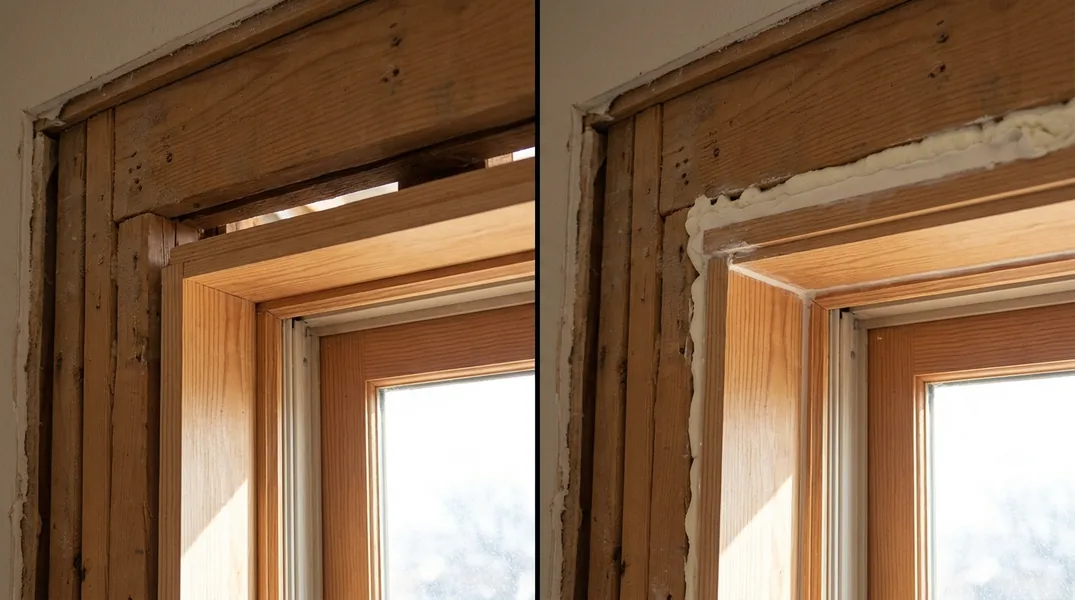
Full Attic Spray Foam Insulation, by contrast, does two things simultaneously. It provides the R-value you need while sealing air leaks as it expands and cures. You're solving both problems at once. The trade-off is upfront cost, but the long-term benefit is comprehensive thermal control. Homes with minimal or deteriorated insulation, or those built before modern energy standards, almost always benefit from full spray foam installation. If your attic insulation is thin, settling, or contaminated, air sealing won't restore its effectiveness. In those cases, spray foam is the honest choice.
How Thick Should Spray Foam Be in Your Lubbock Attic?
The question of thickness directly ties to R-value requirements and your home's specific needs. How thick should spray foam be depends on whether you're using open or closed cell and what R-value target you're aiming for. For a standard Texas attic, most professionals recommend 5 to 7 inches of closed cell foam to achieve R-38 to R-42. If you're in a particularly hot area or want premium performance, 8 to 10 inches is reasonable. Open cell foam, being less dense, requires greater thickness, typically 10 to 12 inches for equivalent R-value.
Your spray foam contractor will assess your attic structure, existing insulation, ventilation needs, and local climate to recommend the right thickness. One critical point: spray foam must be applied correctly. Too thin, and you miss your R-value target. Too thick without proper ventilation planning, and you risk moisture issues. This is why working with experienced professionals in Lubbock matters. They understand local building codes, attic construction, and how to maximize performance without creating problems. If you're unsure what thickness your home needs, reach out for a free estimate so a specialist can evaluate your specific situation.
Insulation Tax Credit and Rebates: Making Spray Foam More Affordable
Cost is often the biggest barrier to upgrading insulation, but federal and state incentives can ease the burden. The insulation tax credit allows homeowners to claim up to 30 percent of qualifying insulation costs (up to $1,200 total per year) on their federal tax return. This applies to spray foam, fiberglass, cellulose, and other approved materials installed in existing homes. The credit is available through 2032, making now an excellent time to invest.
Beyond federal credits, insulation rebates may be available through your local utility company or Texas energy programs. Many utilities offer rebates for attic insulation upgrades because reducing demand lowers their infrastructure costs. These rebates can range from a few hundred to over a thousand dollars, depending on your location and the scope of work. When you contact Lubbock Spray Foam Insulation at (806) 853-5452 for pricing, ask about current rebate programs and tax credit eligibility. Our team stays current on incentives that apply to your project, and we can help you maximize your savings. Combined with long-term energy bill reductions, these incentives make spray foam a smart financial decision for most homeowners.
Making Your Decision: When to Call a Professional
By now, you've learned that spray foam delivers superior R-value, meets or exceeds Texas code, seals air leaks, and qualifies for tax credits and rebates. The remaining question is whether your home is a good candidate. If your attic insulation is less than 15 years old, in good condition, and you suspect your energy loss is primarily from air leaks, air sealing alone might suffice. However, if your insulation is thin, wet, compressed, or missing in patches, or if your home was built before 2000, full spray foam installation is almost certainly the better long-term investment.
The honest answer is that every home is different. What works for your neighbor in Shallowater might not be ideal for your situation. That's why a professional evaluation matters. Lubbock Spray Foam Insulation offers a thorough assessment of your attic, current insulation condition, air leakage points, and thermal needs. We'll explain your options clearly, show you the R-value impact, and discuss how tax credits and rebates apply to your project. If you're ready to explore your options, call us at (806) 853-5452 or request a free estimate online. We'll help you make the decision that delivers the best comfort and savings for your home.
Looking for a professional spray foam insulation contractor in Lubbock? Lubbock Spray Foam Insulation responds fast for all your spray foam insulation needs.
Get a Free Quote